Starting a small business is a thrilling endeavor, but it comes with its own set of risks and uncertainties. One of the most crucial steps you can take is ensuring you’re protected from potential setbacks with the right insurance coverage.
In this guide, we’re diving deep into the world of small business insurance, shedding light on three essential types that can safeguard your enterprise. From general liability to property protection, and professional coverage, understanding these options can make all the difference in keeping your business resilient.



Types of Small Business Insurance
Did you know that 40% of small businesses will experience a property or liability loss within the next decade? Let’s break down the types of insurance that can shield you from these shocks.
Understanding the right insurance for your business can be a game-changer. There are several types of coverage, from general liability to professional liability. Each comes with its benefits and specific protections.
General Liability Insurance Coverage Options
General liability insurance is essential. It covers customer injuries, property damage, and advertising injuries. But there’s more. Let’s explore some specific coverage options:
- Bodily Injury: Protection against medical expenses if a customer slips and falls.
- Property Damage: Coverage for accidents causing damage to a client’s property.
- Legal Defense Costs: Your legal savior against lawsuits.
Commercial Property Insurance Benefits
Picture this: A storm wrecks your shop. Replacement costs could be horrendous. Commercial property insurance steps in to cover building damage, inventory loss, or equipment replacement. It’s about securing your business’s physical assets.
Pro Tip: Bundle your commercial property with general liability insurance to save on premiums!
Comparing Professional and Product Liability Insurance
You’ve probably heard these terms tossed around. But what exactly do they cover? Here is the deal:
| Professional Liability Insurance | Product Liability Insurance |
|---|---|
| Covers service-related negligence or inaccurate advice. | Protects against harm caused by a product you manufacture or sell. |
| Ideal for consultants, legal advisors, and architects. | Crucial for manufacturers, distributors, and retailers. |
Ensure you know which type aligns with your business model to secure the utmost protection.
Importance of Insurance for Small Businesses
Did you know that 40% of small businesses never reopen after a major disaster? Small businesses might think they’re invincible, but the reality is different. Insurance isn’t just a checkbox item—it’s your financial safety net.
Let’s face it, every small business faces risk. But here’s the deal. Without the right insurance, you’re gambling with your entire livelihood. This isn’t just about peace of mind; it’s about survival.
Why Insurance Coverage is Crucial for Small Businesses
You pour your heart and soul into your business. Don’t let a lawsuit or accident wipe that all away. Whether it’s liability, property damage, or employee injury, the financial impact could be devastating. Imagine having to cover all those costs out-of-pocket. Terrifying, right?
Here’s a shocker: One in three small businesses face the risk of being sued. Without insurance, they’d be in serious hot water. Taking chances without protection? That’s more risk than any thriving business should take on.
Potential Financial Impact of Not Having Insurance
Let’s break it down. What’s the true cost of skipping insurance? It’s not just the immediate payout. It’s the potential end of your business. The average property damage or accident claim is $30,000. Can you afford that hit?
| Risk | Average Cost with Insurance | Average Cost without Insurance |
|---|---|---|
| Property Damage | $500 (deductible) | $30,000 |
| Liability Claim | $1,000 (deductible) | $75,000 |
Here’s the deal. You can’t prevent disasters. But you can protect your business from financial ruin with insurance. Otherwise, how long can you afford to keep the doors open?
Case Studies Highlighting Insurance Importance
Real stories, real impacts. Here’s proof of why insurance is non-negotiable:
- A bakery in Houston faced a severe flood. Thanks to their insurance, they got their shop back up and running within weeks.
- A small tech startup was hit with a massive lawsuit. They could cover legal fees without draining their resources because they had the right coverage.
- A retail store suffered a break-in. The loss was significant, but the insurance covered stolen goods, and they rebounded quickly.
Pro Tip: Act fast! Review your insurance policy annually to ensure it’s keeping pace with your growing business.
Choosing the Right Insurance Plan
Finding the perfect insurance plan for your small business can feel like finding a needle in a haystack. BUT, it’s one of the most crucial decisions you’ll make to protect your hard-earned success.
Many entrepreneurs overlook this step, only realizing the importance of the right plan when things go sideways. Here is the deal: you need to ensure your business is shielded from potential risks.
Key Factors in Selecting a Small Business Insurance Plan
When choosing an insurance plan, you need to weigh a few critical factors. First, evaluate your business structure. Are you a sole proprietor, an LLC, or a corporation? Each type has different insurance needs. Next, think about the industry you’re in. A tech startup has a different set of risks compared to a construction company.
Also, consider the specific assets and liabilities your business holds. Are there significant physical assets or is it more about intellectual property? Finally, never underestimate the importance of budget. Under-insurance due to cost-cutting can lead to massive bills down the road.
Guide to Assessing Business Risks and Insurance Needs
Understanding what risks your business faces is step one to getting the right coverage. You need a compass to navigate this territory.
- Start with a comprehensive risk assessment. This means identifying every potential threat, from natural disasters to cyber-attacks.
- Next up, quantify the potential severity and likelihood of these risks. If a risk is high impact but low probability, you might choose different coverage compared to a high likelihood, low-impact risk.
- Finally, match those risks to available insurance products. Does general liability cover all your risks, or do you need professional liability or product liability?
Pro Tip: Don’t go it alone. Consult an insurance broker to identify gaps in your coverage and suggest the best options tailored to your business needs.
Methods for Evaluating Insurance Providers
Choosing the right provider might be just as important as choosing the right plan. Here’s how you can scrutinize your options:
| Criteria | What to Look For |
|---|---|
| Reputation | Check online reviews and ratings. Consider testimonials from other business owners in your industry. |
| Customer Service | Is the insurer responsive? Test their customer support with a few inquiries. |
| Financial Stability | Research their financial rating through agencies like A.M. Best or Moody’s. |
| Claims Processing | How quickly and efficiently do they process claims? Ask for average claim settlement periods. |
How to Compare Insurance Quotes from Different Companies
Comparing quotes isn’t just about price shopping. Here’s how you should approach it effectively:
Step #1: Gather quotes from at least three different providers. Use their websites or contact them directly for the most accurate figures.
Step #2: Ensure all quotes are for similar coverage types. Comparing apples to apples is crucial. Are all your preferred inclusions and exclusions mirrored across quotes?
Step #3: Analyze the premiums vs. deductibles. Sometimes a lower premium isn’t a win if it means higher out-of-pocket costs when you file a claim.
Never rush through this process. The right coverage for the right price can make or break your business’s resilience in the face of adversity.
Cost Factors Influencing Small Business Insurance
Did you know that every 1 in 4 businesses faces a liability claim within a decade? That’s why understanding cost factors is crucial. Because let’s face it, nobody wants to overpay for their insurance.
There are a variety of factors that can impact how much you’re shelling out for business insurance. The key players? Your company’s location and industry. But don’t let these scare you away. By grasping these factors, you’re in a stronger position to manage your costs effectively.
How Location and Industry Affect Insurance Costs
Location, location, location. It’s more than just real estate; it’s a major player in insurance costs too. For example, if your business is in a storm-prone area, expect higher premiums due to increased risk. Similarly, industries with higher hazards, like construction, tend to see rising insurance costs compared to, say, a quaint bookstore.
- Location Risks – High-crime areas may incur higher insurance rates.
- Industry Type – Consider the risk profile specific to your industry.
Strategies to Manage and Reduce Insurance Expenses
Here’s the deal: Cost control is within your reach. Start by comparing different insurance plans. But wait, there’s more you can do. Adjust your coverage to avoid over-insuring while retaining essential protection.
Utilize safety protocols that lower your risk of claims, which can help in negotiating better rates. And, regularly review your policy to eliminate unnecessary coverage that sneaks in over time.
Pro Tip: Bundle your insurance policies for better rates and simpler management.
Sample Cost Analysis Comparison of Insurance Plans
Want to visualize how different plans stack up? A cost analysis table paints a clear picture:
| Insurance Plan | Coverage Amount | Annual Premium | Industry Example |
|---|---|---|---|
| Basic Plan | $500,000 | $1,200 | Retail |
| Standard Plan | $1,000,000 | $2,800 | Food Services |
| Premium Plan | $2,000,000 | $5,000 | Manufacturing |
Common Mistakes to Avoid in Small Business Insurance
Are you sure your small business has the right insurance? Many owners think they do, yet 41% of small businesses have no insurance at all. That’s a risky gamble.
Securing insurance might seem straightforward, but that’s where many business owners hit rough patches. Inadequate coverage can leave you strapped, while excess insurance drains your budget.
Understanding the Risks of Underinsurance and Overinsurance
Most businesses land in trouble because they underestimate what they need. They end up with underinsurance. This means when disaster strikes, they’re left holding the bag. For example, let’s say a fire destroys your inventory and you only have half the coverage you need. That’s a financial nightmare.
On the flip side, overinsurance is not just costly; it’s wasteful. You might be paying for coverage that protects you from risks you never actually face. So, how do you strike the right balance? Here’s the deal: Crunch the numbers and assess your actual risk.
Creating a Habit of Regular Policy Reviews
Most businesses stay stagnant in their insurance habits, but you shouldn’t. Policies can become obsolete as your business evolves. Step #1: Schedule annual reviews. This ensures you’re never caught with a surprise like a gap in your cyber liability coverage as your digital presence grows.
- Check any changes in your business structure.
- Reevaluate the value of your assets.
- Ensure you are compliant with any new state laws.
Pro Tip: Always involve your insurance broker during these reviews. Their insights can prevent costly mistakes.
Examples of Business Instability Due to Inadequate Insurance
A small tech firm once lost key equipment to a flood. They thought general liability covered natural disasters. Shock? Yes. They learned the hard way and ended up closing shop within months. Such stories highlight the significance of having the right coverage tailored to your specific needs.
Emerging Trends in Small Business Insurance
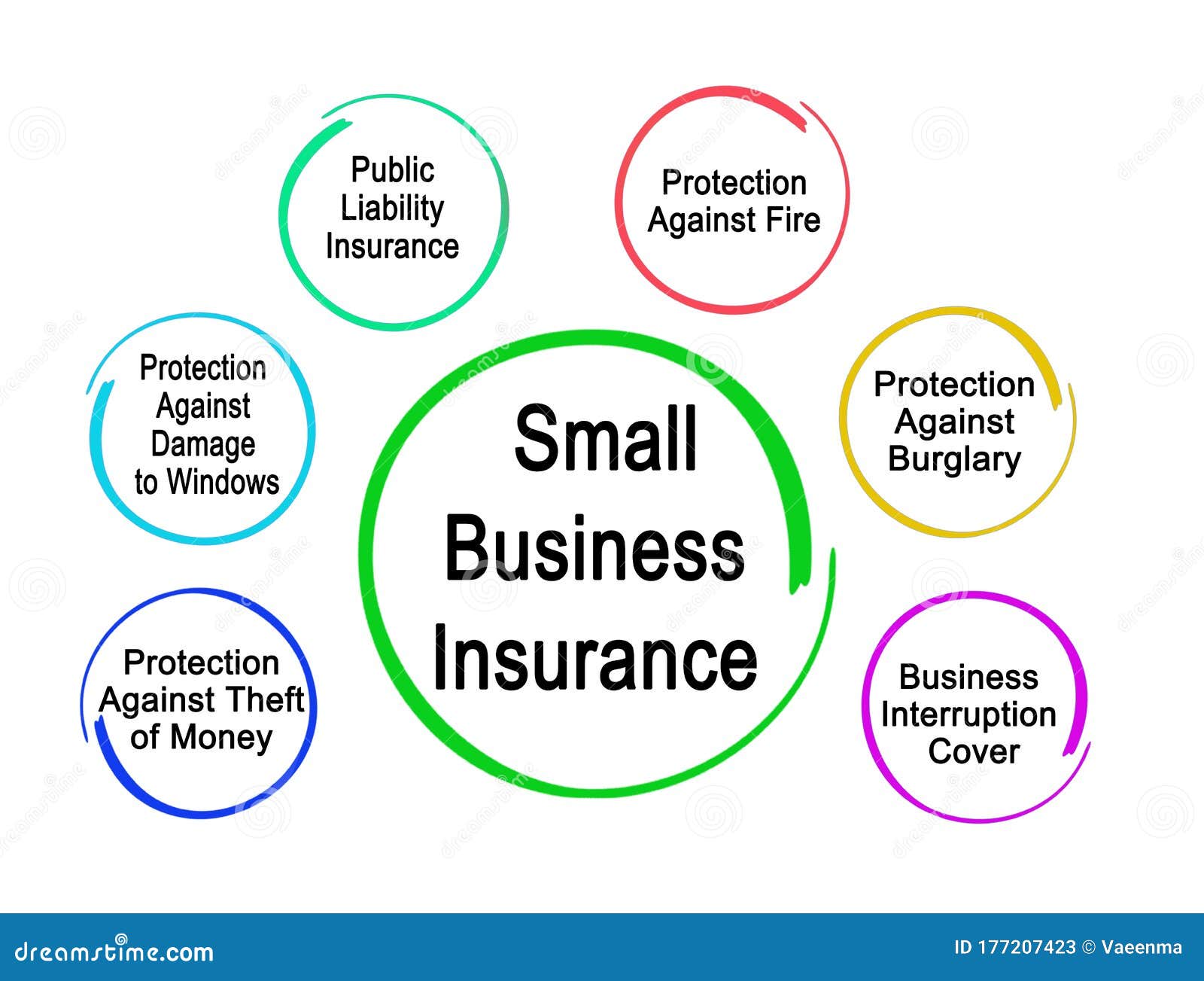
Did you know that nearly 40% of small businesses will experience a property or general liability claim in the next ten years? Insurance isn’t just essential—it’s evolving.
Let’s dive into the latest trends that are shaping how small businesses protect themselves in this fast-paced world.
The Rise of Technology-Driven Insurance Platforms
Here’s the deal: Technology is revolutionizing how small business owners shop for insurance. No more agents with stacks of paperwork. Now, you can compare quotes from multiple insurers online without leaving your chair. This digital shift means faster, more efficient service and often better rates.
Customizable Insurance Packages
One-size-fits-all insurance plans are a thing of the past. Today’s insurers offer customizable packages tailored to specific business needs. This isn’t just a trend—it’s a game-changer. You can mix and match coverage to suit your operations, whether you’re a tech startup or a local bakery.
Pro Tip: Don’t just look at the price. Make sure your package covers all unique risks your business might face. It’s an investment in security, not just a monthly expense.
The Future of Insurance and New Business Models
As business models evolve, so must insurance. Startups and gig economy businesses are pushing insurers to develop new types of policies that support agile and lean operations. Expect to see more dynamic pricing and policies that adjust based on real-time data.
This shift isn’t just about keeping up—it’s about leading change. The future demands insurers to be as innovative as their clients.
Final Summary
Navigating the landscape of small business insurance might seem daunting, but with the right knowledge and tools at your disposal, you can make informed decisions that keep risks at bay. Remember, the future of your business is far too valuable to leave to chance, so explore the policies that best suit your needs and protect your hard-earned efforts.
Answers to Common Questions
What are the main types of insurance small businesses need?
General liability, commercial property, and professional liability insurance are among the top types of coverage small businesses often require.
How does general liability insurance help small businesses?
It covers claims related to bodily injury, property damage, and can sometimes include advertising injuries, helping you manage potential financial and legal burdens.
Why is commercial property insurance important?
This insurance protects your business’s physical assets from events like fire, theft, or natural disasters, ensuring minimal disruption to operations.
How can I determine the right amount of coverage for my business?
Assess your business risks, evaluate assets, and understand your industry’s specific liabilities to make an informed decision.
Can I customize my business insurance policy?
Yes, many providers offer customizable packages tailored to your business’s unique needs and industry-specific risks.